

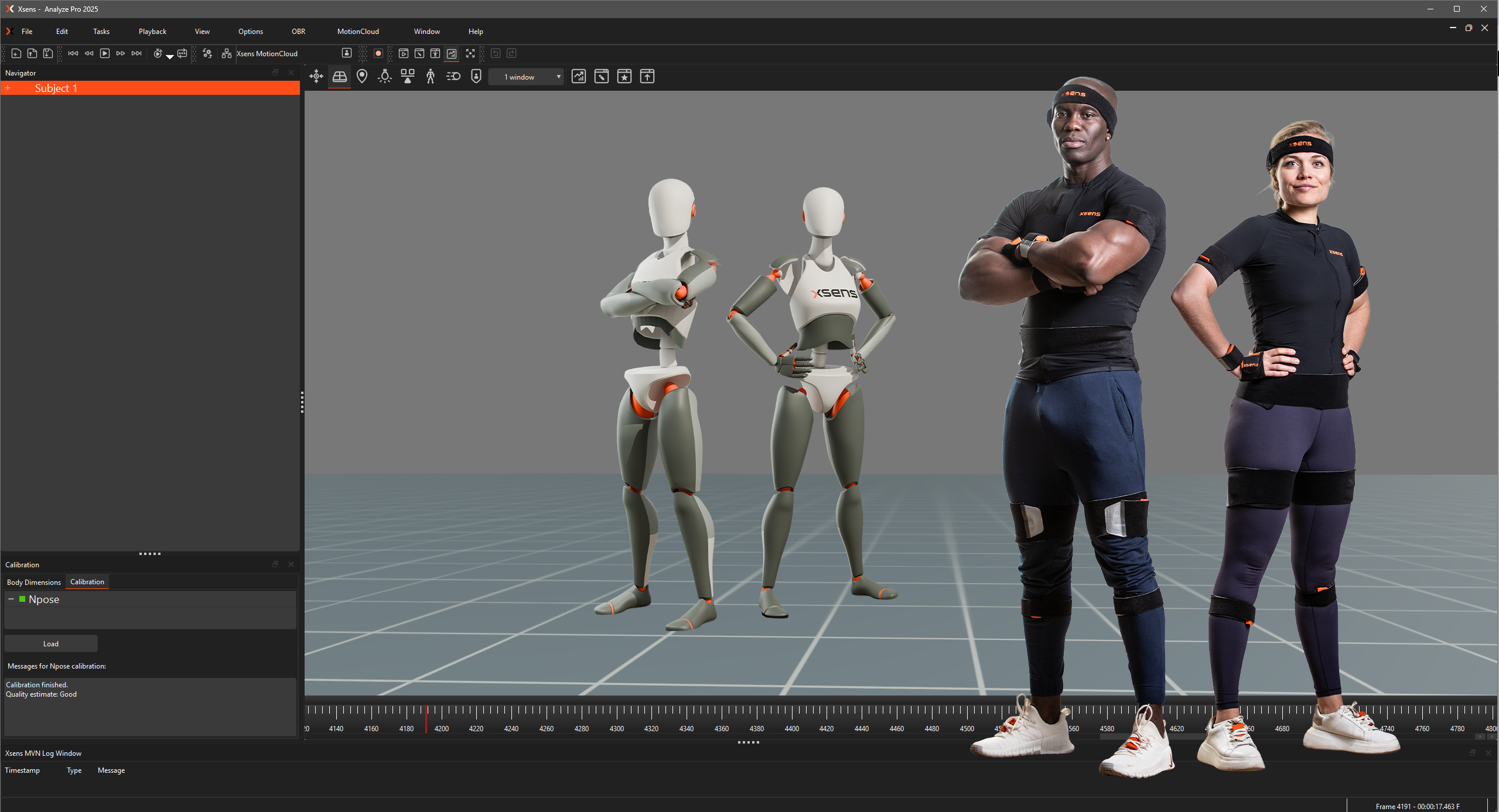
Application
The core of the Xsens motion capture suit lies in its 17 high-precision inertial measurement units (IMUs), each integrating a triaxial gyroscope, triaxial accelerometer, and triaxial magnetometer. Through sensor fusion algorithms, these sensors can accurately calculate the posture, position, and motion trajectory of each part of the human body in three-dimensional space. Unlike traditional optical motion capture systems, Xsens employs inertial sensing technology, making it immune to environmental lighting and spatial constraints, enabling stable operation both indoors and outdoors. The wireless transmission latency can be as low as 30 milliseconds, while wired transmission can achieve latencies below 20 milliseconds.
Its unique advantage is that it completely resolves the issue of data drift. Through advanced calibration algorithms, the system effectively resists magnetic interference, maintaining precise alignment with real-world movements even in magnetically challenging environments such as offices surrounded by metal furniture or studios with complex stage lighting. This makes Xsens one of the few solutions capable of delivering Hollywood-grade motion capture data in "non-ideal environments."
In driving 3D digital humans, Xsens demonstrates two core values:

In the field of humanoid robot training, Xsens plays a key role in three ways:
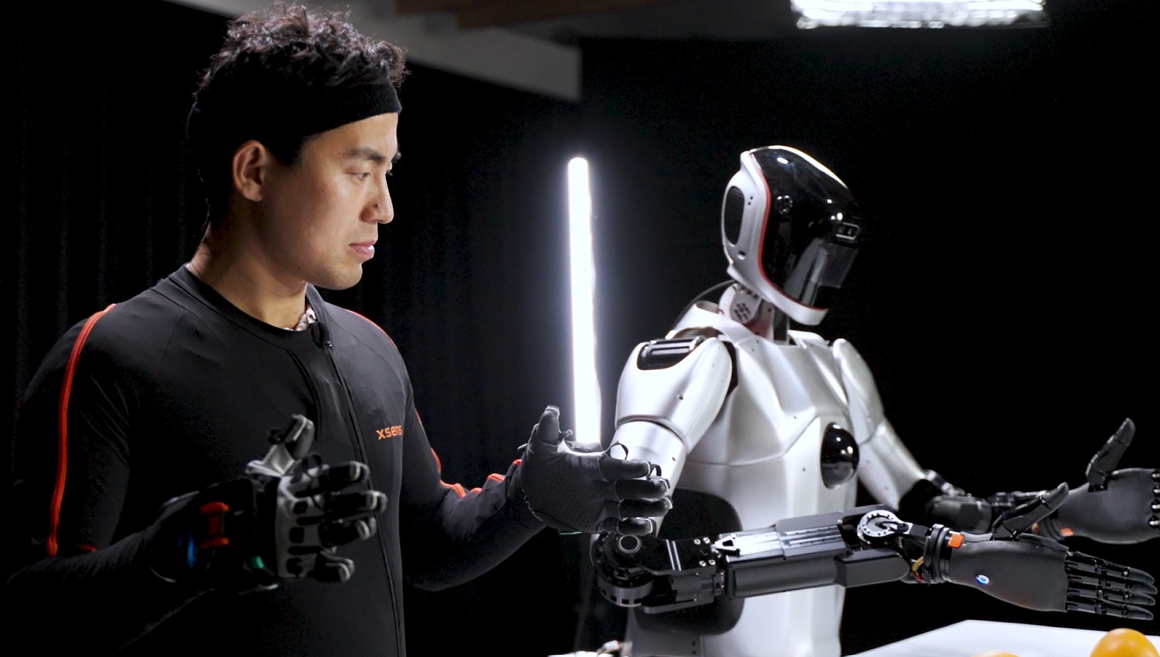
Xsens is currently deeply embedded in multiple cutting-edge fields. In metaverse performances, it supports real-time interaction in virtual concerts; in industrial robot training, it helps companies like Tesla improve the human-likeness of robot movements; in the medical rehabilitationfield, its data is used for gait analysis and exoskeleton device debugging.
With the explosive growth of the humanoid robot industry, Xsens,凭借其portability, adaptability, and data accuracy, is becoming a key infrastructure driving the development of digital twins and embodied intelligence. In the future, deeper integration with AI technology will further enhance its application potential in areas such as robot autonomous learning and emotional expression.
By translating human motion into precise data, the Xsens motion capture suit is building a bridge between the real and digital worlds, providing continuous innovative momentum for entertainment, industry, healthcare, and other fields.